Peer Reviewed Feature Articles
Dermatology

Rosacea: an update on classification, mechanisms and management

Kate DeAmbrosis, Jo-Ann See

Rosacea is a chronic inflammatory facial dermatosis that is often under-recognised because of its varied and fluctuating presentation. Current understanding of pathophysiology and phenotype-based classification is shaping more targeted management, including pharmacological and laser-based therapies alongside lifestyle measure.

Heart failure and cardiomyopathy

Heart failure with reduced ejection fraction: a 2026 update on management

Kate Chiswell, Jo-Dee Lattimore

Primary care plays a central role in the early diagnosis and optimisation of therapy in heart failure with reduced ejection fraction. Timely initiation of guideline-directed treatment can substantially reduce hospitalisations and mortality.

Free Access
Free access
Ear, nose and throat medicine

Globus pharyngeus: more than just a lump in the throat

Magnus Halland

Globus pharyngeus is a highly distressing condition with poorly elucidated pathophysiology. Although usually benign, malignancy must be excluded. Management focuses on targeted investigation, reassurance and treating contributing factors such as gastroesophageal reflux disease, anxiety and visceral hypersensitivity.

Peer Reviewed Regular Series
Dermatology clinic

A patient with painful mouth ulcers and itchy skin lesions

Alexandra Savage, Rebecca Bronwyn Saunderson

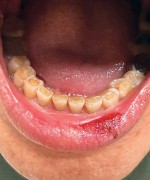
A 52-year-old woman presents with painful erosions affecting her lips and oral mucosa, which have been present for several months and worsening over the preceding few weeks. She also has a scaly eruption on her scalp and similar lesions on her trunk. What’s the diagnosis?

Infectious diseases clinic

Japanese encephalitis – here to stay

Mark R. Armstrong, Luke Spence, Paul M. Griffin

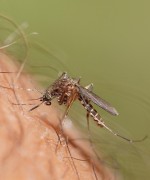
Japanese encephalitis virus is now recognised as endemic across large parts of mainland Australia, with important implications for clinical practice and public health. An update is provided on the evolving epidemiology, prevention strategies including expanded vaccination and surveillance, and current approaches to diagnosis.