

April 2026
Vegetarian diets lower risk of some cancers, finds study
By Rebecca Jenkins
Vegetarian diets are linked to a lower risk of some, but not all, cancers, according to findings from a pooled dataset of 1.8 million people.
The study, published in the British Journal of Cancer, analysed data from nine prospective studies from three continents to compare the risk of 17 different cancers over 16 years of follow up across five diet groups: meat eaters, poultry eaters (no red or processed meat), pescatarians (fish), vegetarians (dairy and/or egg) and vegans.
Compared with meat eaters, vegetarians had a 21% lower risk of pancreatic cancer, a 9% lower risk of breast cancer, a 12% lower risk of prostate cancer, a 28% lower risk of kidney cancer and a 31% lower risk of multiple myeloma.
However, the UK-led research team found vegetarians had nearly double the risk of squamous cell carcinoma of the oesophagus. They also found no difference in most cancers studied between meat eaters and vegans.
There was a statistically significant higher risk of colorectal cancer among vegans when compared with meat eaters; however, the researchers cautioned this was based on only 93 incident cases among vegans in seven studies in the UK and USA.
In other findings from the World Cancer Research Fund-supported study, pescatarians had lower risks of breast, kidney and bowel cancers, whereas poultry eaters had a lower risk of prostate cancer.
‘Future research should examine the possible mediating roles of both metabolic factors and nutritional deficiencies, and collect more data particularly in vegans and in populations outside Western Europe and North America,’ the researchers concluded.
Laureate Professor Clare Collins, Professor of Nutrition and Dietetics at the University of Newcastle, Newcastle, said this was the largest study to date to analyse cancer outcomes in vegetarians. But, as the researchers themselves noted, dietary patterns and food and nutrient intakes could vary substantially and be either very healthy or unhealthy within the different diet groups.
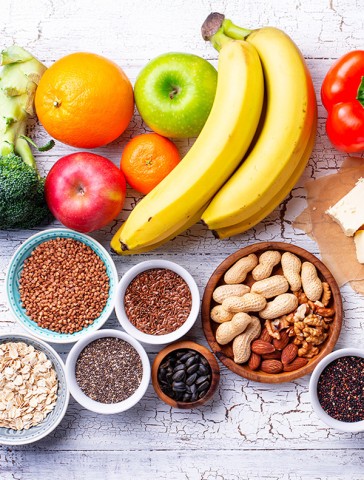
‘For example, I could be a vegetarian who ate no vegetables and a lot of fried chips and doughnuts. Or I could make all my vegetarian meals from scratch and eat lots of vegetables, fruit, grains and nuts for snacks,’ Professor Collins explained.
‘Another issue is that most of the studies only measured dietary intake once during the study – so we do not know if some people switched to healthier diet patterns, which you might do if you developed a precancerous lesion or had abnormal test results.’
Professor Collins, who is also Co-Director of the Nutrition and Metabolic Health Research Program at the Hunter Medical Research Institute, Newcastle, said that the World Cancer Research Fund dietary recommendations, which closely align with recommendations in the Australian dietary guidelines, remained the gold-standard advice.
‘This means that for overall health and lower risk of developing any chronic disease, the advice is to eat more, and a larger variety of, vegetables, fruit, wholegrains, legumes, nuts and seeds, and lean sources of protein, including plant protein,’ she said.
Br J Cancer; 2026: https://doi.org/10.1038/s41416-025-03327-4.