

August 2025
Proinflammatory diet during pregnancy may be associated with type 1 diabetes risk in offspring
By Rebecca Jenkins
Children are more likely to develop type 1 diabetes if their mothers ate a diet high in proinflammatory foods while pregnant, a large prospective Danish study suggests.
Writing in the Journal of Epidemiology & Community Health, researchers explained that the incidence of type 1 diabetes had been increasing annually, which strongly suggested environmental factors were playing a role in the trend.
The immune-mediated destruction of insulin-producing B-cells in the pancreas that caused type 1 diabetes potentially began during fetal development, they noted, with inflammatory properties of the mother’s diet potentially affecting this process.
To test the hypothesis, researchers designed a prospective population-based study with data from 67,701 mother-child pairs, where 281 children were diagnosed with type 1 diabetes over a median 17.58 years of follow up.
Maternal diet was assessed using the Maternal Empirical Dietary Inflammatory Index score (EDII score ), which was calculated from a comprehensive 360-item self-administered food frequency questionnaire completed around week 25 of gestation.
Median EDII score was 0.1, with a range from −5.3 (anti-inflammatory) to 4.1 (proinf lammatory).
After adjusting for covariates, researchers found for every one- unit increase in the EDII score, there was a 16% increase in the incidence rate of type 1 diabetes.
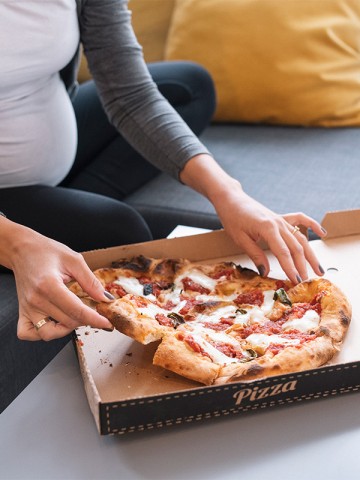
Daily intakes of red meats, low-fat dairy, pizza, margarine, potatoes, low-energy drinks, French fries and savoury snacks increased with higher EDII scores, whereas daily intake of alliums, tomatoes, whole grains, coffee, leafy green vegetables, fruit juice, dark meat fish, tea and natural fruits fell with higher EDII scores.
The researchers also found the risk of offspring developing type 1 diabetes was increased in women reporting a diet high in gluten during pregnancy and was significantly reduced in women who smoked during early and mid-pregnancy.
Commenting on the study, Paediatric Endocrinologist Dr Danielle Longmore, Clinician Scientist Fellow at Murdoch Children’s Research Institute, Melbourne, said the study added to a growing body of important work examining the environmental factors influencing type1 diabetes, which included a mother’s diet during pregnancy.
‘The association with proinflammatory foods shown in the Danish study has biological validity, in that changes in diet may alter the microbiome and have effects on immune function,’ Dr Longmore told Medicine Today.
‘This could include a lowering of the set point for future inflammatory responses, potentially making the infant more susceptible to the effects of inflammatory triggers.’
Given that risk was also affected by maternal smoking, Dr Longmore said unmeasured factors could be at play either via effects on the gut microbiome or through different mechanisms affecting disease development.
‘Environmental factors, such as maternal diet or smoking, can also cause genes to be switched on or off that affect risk for conditions like type 1 diabetes,’ she said.
The latest findings were intriguing, Dr Longmore added, but she cautioned they were observational and further research was needed in other populations to strengthen the evidence base.
J Epidemiol Community Health 2025; doi: 10.1136/jech-2024-223320.