
Navigating lymphoma in primary care – from suspicion to survivorship
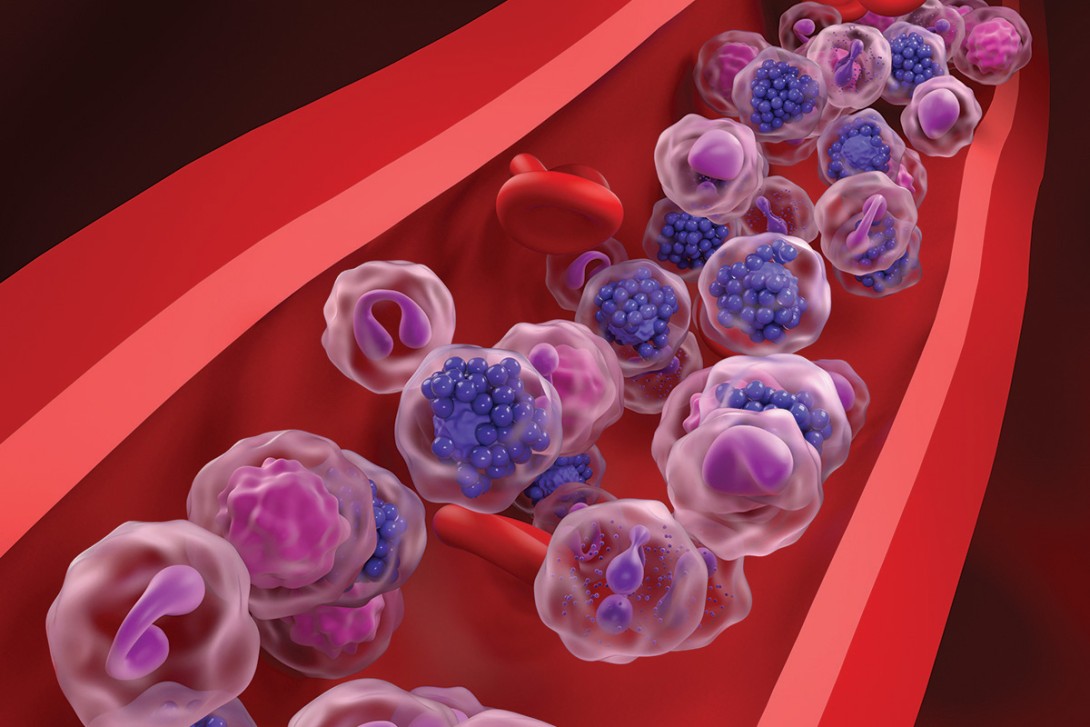
Lymphomas are cancers of the immune organs that can present in a variety of clinical contexts, ranging from an indolent lymphadenopathy to a rapidly progressive life-threatening disease. Owing to the varied nature of this often-curable disease, a high index of suspicion and prompt referral to a treatment centre are warranted.
- Lymphoma is diverse and increasingly common, presenting either indolently or aggressively. GPs must maintain a high index of suspicion for unexplained lymphadenopathy, B symptoms or abnormal blood counts.
- The diagnosis of lymphoma requires tissue, with excisional biopsy preferred. Corticosteroids must be avoided before biopsy as they reduce the diagnostic yield.
- Patients with slow, asymptomatic lymphadenopathy can be referred within weeks, but cases of suspected aggressive lymphoma or any organ compromise require review within 72 hours or emergency department transfer.
- Treatment is complex and multimodal, with risks such as myelosuppression, infection, cytokine release syndrome and neurotoxicity, reinforcing the need for co-ordinated shared care.
- GPs play a central ongoing role in the care of patients with lymphoma, which may include vaccination advice, infection precautions, comorbidity management, surveillance for late effects and provision of psychosocial and survivorship support.
Lymphomas encompass a diverse array of malignancies originating in the primary (bone marrow, thymus) and secondary (lymphatic system, tonsils, spleen) lymphoid organs. These cancers arise from either B or T lymphocytes (or rarely, natural killer cells) and exhibit a broad and varying incidence across the Australian population, irrespective of age or socioeconomic status.
The incidence of lymphoma is increasing in Australia, for reasons that are currently unknown.1 The disease can be associated with viral infections, Helicobacter infections or autoimmune disorders. The WHO classification of haematolymphoid tumours categorise more than 80 separate subtypes of this oncological chameleon.
The care requirements for patients with lymphoma are complex and treatment courses can be prolonged; a multidisciplinary and shared care approach between the GP and haematologist is optimal.2 GPs play a vital role in the detection of lymphomas by virtue of their frontline, patient-facing model of care. This article provides an overview of the role of primary care in the diagnosis and management of patients with lymphoma.
Clinical presentations
In general terms, lymphomas are grouped into indolent and aggressive subtypes, although there is a degree of overlap between the two.
Indolent lymphomas often present asymptomatically or as a waxing-and-waning lymphadenopathy or organomegaly that can slowly progress over months or years.3 The disease may only come to light as the result of careful physical examination. Occasionally, it is suspected when lymphadenopathy is seen as an incidental finding on CT scans performed for various reasons. A full blood count (FBC) may reveal a slowly progressive lymphocytosis. The most common indolent subtypes of lymphoma include chronic lymphocytic leukaemia/small lymphocytic lymphoma (CLL/SLL), follicular lymphoma and splenic marginal zone lymphoma.3
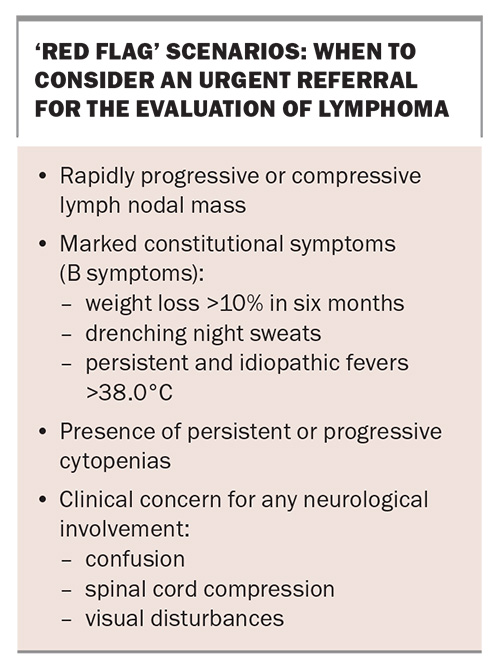
Aggressive lymphomas can present as a rapidly progressive and locally destructive mass lesion, often associated with marked constitutional symptoms (so-called B symptoms) including unintentional weight loss (>10% body weight over six months), drenching night sweats (enough to soak the patient’s bed linen), anorexia and fevers higher than 38.0°C.4 FBC findings can be normal or demonstrate either lymphocytosis or cytopenias if there is marrow involvement. Owing to their extensive metabolic activity, aggressive lymphomas can represent an oncological emergency. The most common aggressive lymphoma is diffuse large B-cell lymphoma (DLBCL). Other types are Burkitt’s lymphoma, mantle cell lymphoma, peripheral T-cell lymphoma or B- or T-cell acute lymphoblastic lymphoma.4 Burkitt’s lymphoma can double in size in as little as 48 hours. Some subtypes of indolent lymphoma can transform to an aggressive form. This Richter transformation tends to confer a worse prognosis.5
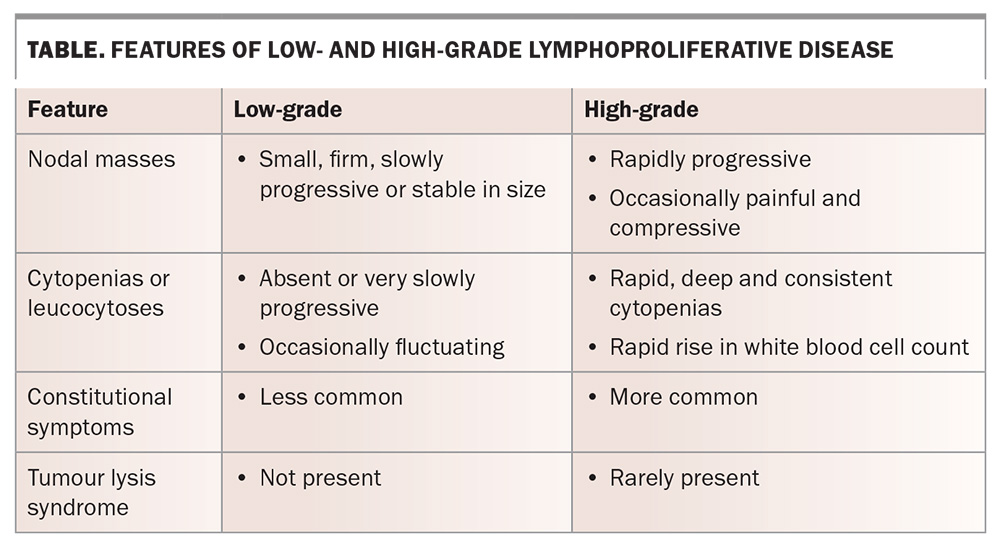
Tumour lysis syndrome can emerge when the rapid cell turnover overwhelms the host homeostasis, flooding the circulation with intracellular contents. This can drive a life-threatening electrolyte disturbance, resulting in cardiac arrhythmia, renal failure, nephrolithiasis and tetany. Compressive adenopathy can critically injure a variety of organ systems; obstructive uropathy, spinal cord compression and airway obstruction can all occur in aggressive lymphoma.4 Venous thromboembolism is also over-represented in lymphoma cohorts, either secondary to compressive adenopathy or the inflammatory dysregulation of malignancy.4 Although rare, primary lymphoma of the central nervous system merits mention as an aggressive lymphoma that can manifest as a focal neurological deficit or as meningoencephalitis. Given the heterogeneity of presentations, a high index of suspicion is needed in the primary care setting, especially in clinical contexts where more common problems have been excluded. Inexplicable leucocytoses, persistent rashes and fevers without explanation merit a thorough investigation and early referral of the patient to a haematologist. A comparison of the features of low- and high-grade lymphoproliferative disease is presented in the Table.
Diagnostic approach
Blood and serological testing
Initial investigations helpful in the assessment of suspected lymphoma include a FBC, blood film, routine biochemistry, liver function tests, lactate dehydrogenase test and erythrocyte sedimentation rate test. Other testing may involve a pre-chemotherapy workup; exclusion of blood-borne viruses in the form of hepatitis B and C, as well as HIV serology, is essential prior to initiating any therapy.
Biopsy
The adage of ‘tissue is the issue’ continues to ring true for a diagnosis of lymphoma; a tissue diagnosis is virtually essential in the majority of disease cases. One deviation from this axiom is CLL/SLL, in which circulating disease can be identified and diagnosed via peripheral blood flow cytometry. Crucially, a fine needle aspiration biopsy only provides information about the cell population and will not provide sufficient architectural information to form the histological assessment necessary for the diagnosis. As a result, excision biopsy remains the gold standard. In cases where the mass is harder to access, a core biopsy is appropriate with ultrasound or CT guidance. Histology, immunohistochemistry, cytogenetics and flow cytometry investigations can all be performed on the tissue biopsy itself; it is important to send samples fresh and fixed in formalin if lymphoma is suspected. The concomitant use of any corticosteroids can harm the diagnostic yield of the biopsy secondary to the medication’s immunomodulatory effect.
Imaging
A fluorodeoxyglucose positron emission tomography scan is covered by the Medicare Benefits Schedule for essential staging, provided the patient has an existing histological diagnosis of lymphoma.
When to refer
Any suspicion of a new or progressive lymphoma merits specialist review (Box). The urgency of referral is associated with the degree of suspicion a GP may have that a patient has an aggressive form of lymphoma. If the patient has a slowly progressive lymphadenopathy in the absence of B symptoms, then it may be feasible for the haematologist referral to be made within four weeks.3 Patients with aggressive lymphomas, however, must be referred within 72 hours.6 If any end-organ dysfunction is suspected (e.g. compression, neurological symptoms, tumour lysis), emergent referral to an emergency department is essential.
Principles of treatment
The treatment of lymphoma is as multimodal and varied as its disease presentations. There are treatment roles for traditional chemoimmunotherapy, oral immunomodulatory therapy, bispecific antibody therapy, chimeric antigen receptor T-cell therapy, radiotherapy and involvement in clinical trials. As with all cancer therapy, the goal is to match treatment against the severity of disease and the functional status of the patient. An exhaustive review of each of these treatments is beyond the scope of this article; each treatment modality is summarised with an example below.
Combination chemoimmunotherapy
Combination chemoimmunotherapy involves a multimodal regimen of chemotherapy that is administered over multiple cycles. Some examples include the combination of rituximab, cyclophosphamide, hydroxydaunorubicin, oncovin and prednisone given every 21 days (R-CHOP21), and bendamustine plus rituximab. Treatment is generally managed via outpatient oncology units but some regimens require an inpatient admission, especially in cases of initial diagnoses of aggressive lymphomas, or if there is concern for a significant side effect burden.7 Complications vary between these regimens, but there are common themes that emerge secondary to the therapy’s selective interference with rapid cell proliferation.
- Myelosuppression: the period between cycles that can be associated with a degree of diminished marrow function. These cytopenias may necessitate support in the form of granulocyte colony-stimulating factor doses to limit neutropenia, and occasional red cell and platelet transfusions. Immunosuppression is expanded on in greater detail further in this article.
- Mucositis: inflammation that can affect any mucosal or squamous epithelium. It can manifest as diarrhoea, oral ulcers or odynophagia. Mucositis is commonly complicated by opportunistic oral fungal infections and requires fastidious mouth care, the use of sodium bicarbonate mouth washes and consultation with dietitians as needed. Occasionally, intolerances to oral intake can necessitate an inpatient stay. Diarrhoea and oral ulcers merit the exclusion of concomitant infectious complications, especially Clostridioides difficile infection.
Bruton’s tyrosine kinase inhibitors
Bruton’s tyrosine kinase inhibitors are an oral immunomodulatory therapy indicated in relapsed or refractory CLL, mantle cell lymphoma and lymphoplasmacytic lymphoma. Some examples of this class of drugs include ibrutinib, zanubrutinib and acalabrutinib. The continuous oral dosage is taken entirely in the community, adjusted during clinic visits. The goal is continuous therapy until the advent of disease progression or unacceptable toxicity. Predominant side effects include myelosuppression, infection, bruising or bleeding, and a low but well recognised risk of atrial fibrillation. As this is often given for indolent lymphomas over a longer period, the GP is often more involved in monitoring adherence, interactions with other medications and disease progression.
Emerging immune therapies
Bispecific antibody therapies
Bispecific antibody (BsAb) therapies function as an antibody specific to two different antigens. For example, epcoritamab is specific to CD3 (expressed on patient T cells) and CD20 (a mature B-cell antigen that tests positive in DLBCL) and affects a costimulatory pathway that drives T-cell activation and tumour destruction. It has been listed on the PBS since May 2025 for DLBCL relapsed or refractory to at least two systemic therapies.8 It can be given in the outpatient setting, but often after a 48-hour admission for monitoring during dose escalation.
Chimeric antigen receptor T-cell therapy
Indicated as second- or third-line therapy for a variety of relapsed or refractory lymphomas, chimeric antigen receptor T-cell (CAR-T) therapy requires haematologist referral to a specialised CAR-T centre. The therapy consists of collecting a patient’s T cells via apheresis and transporting them to specialised laboratories. The patient’s T cells are sensitised to lymphoma-specific antigens (CD19) via viral vectors before their return to the CAR-T centre and subsequent reinfusion.
With CAR-T and BsAb therapies, the intended immune activation carries a notable risk of widespread and life-threatening immune activation.
- Cytokine release syndrome: an acute and systemic inflammatory response that manifests as fevers, hypotension, hypoxia and end-organ dysfunction.9 Management varies depending on the causative therapy, starting with simple paracetamol but also with scope for intravenous or per oral corticosteroids and anti-inflammatory monoclonal therapy such as tocilizumab (which acts via interleukin-6 blockade) or anakinra (which acts via interleukin-1 blockade). The onset varies between hours to four days post-therapy, and any suspicion of cytokine release syndrome necessitates emergency department attendance; it cannot be managed in the community.
- Immune effector cell-associated neurotoxicity syndrome (ICANS): an acute neurological impairment following the administration of CAR-T or BsAb therapy. Neurological complications can include dysarthria, cerebellar ataxia, seizures, confusion or aphasia. Following CAR-T therapy, patients are assessed on a daily basis against a standardised scoring system. Corticosteroids form the mainstay of therapy for ICANS, but levetiracetam prophylaxis and anakinra are also indicated at higher grades. Intensive care unit stays are often required for neurological monitoring and airway support.
Effects of cancer therapy
Long-term effects of chemotherapy
These can include cardiac toxicity in the context of anthracycline chemotherapy, pulmonary toxicity in the context of bleomycin therapy, neuropathy from vinca alkaloids, cataracts, thyroid dysfunction, osteoporosis and infertility.3 Close monitoring for these sequalae, as well as addressing modifiable risk factors (e.g. smoking cessation, weight loss, falls prevention, bone health), is invaluable in this cohort.
Lymphoma therapy can increase a patient’s risk of malignancy, ironically including haematological malignancies such as leukaemia and non-melanocytic skin cancers. Regular age-appropriate cancer screening is essential, with the addition of an annual skin check. It is not unheard of for an unrelated second malignancy to announce itself in the context of treatment or post-therapeutic surveillance of lymphoma.
Psychological effects
The psychological effects of cancer therapy are a recognised complication in the survivor cohort and can include mood disorders, post-traumatic stress disorder, chronic fatigue and situational crises such as relationship breakdowns and carer fatigue.10 This strain on existing relationships and support networks is common to many chronic illnesses and malignancies; it is important to recognise the need for caregivers and family to have the provision of support themselves. GPs are well positioned to facilitate ongoing referrals to mental health and support services as well as the institution of a mental health care plan.2,10
On the converse side of the survivorship cohort is the subset of patients for whom the disease is either refractory to treatment or relapsing. GPs are well suited in this situation to aid in the formation of an advanced care directive or the appointment of an enduring power of attorney, as well as the provision of palliative and pastoral care for the patient and their family.
Shared care
Due to the varied nature and complexity of treatment, a shared care model between non-GP specialists and GPs is best suited to meet the needs of the patient. Patients are typically reviewed by their haematologist on a regular basis during their therapy and are ideally given regular and timely written updates of their progress. The dovetailing of shared responsibility between the GP and haematologist is elaborated in differing clinical contexts below. The Clinical Oncology Society of Australia elaborates on a variety of approaches to survivorship care in the post-treatment cohort and strongly advocates for a multidisciplinary care model.11
Myelosuppression and immunosuppression
Therapy is often associated with myelosuppression, necessitating outpatient support with transfusions and prophylactic anti-infective medications. Immune therapy, especially B-cell-depleting therapy, can result in prolonged post-treatment immunosuppression that may require intravenous immunoglobulin supplementation to prevent infection. It is generally recommended that patients have been fully vaccinated against COVID-19 for two weeks prior to starting therapy, but emergent therapy for aggressive lymphoma or lymphoblastic leukaemia should not be delayed.12
The Australian Immunisation Handbook provides excellent recommendations for immunocompromised patients and vaccination. Influenza, meningococcal, pneumococcal, respiratory syncytial virus (not reimbursed) and herpes zoster vaccinations are recommended for patients with an immunodeficiency secondary to a lymphoproliferative disease or immunomodulatory therapy.13 Patients are advised to avoid sites of viral outbreaks where possible and wear face masks as needed. Providing standing instructions regarding attending local emergency departments if febrile while in their white cell nadir is essential. Many patients are provided with reference cards to present to triage desks and facilitate their prompt assessment.
Optimisation of comorbidities
GPs are uniquely positioned as a primary point of contact for the optimisation of nonhaematological aspects of a patient’s health. In addition to surveillance for common complications of lymphoma therapy, GPs can facilitate referral to additional non-GP specialist departments, as well as Medicare Benefits Schedule-subsidised access to allied health professionals including exercise physiotherapists, dietitians, psychologists and social workers via a chronic condition management plan.2 This facilitates five total subsidised allied health appointments per calendar year and allows for access to a plurality of allied health support for which financial barriers may otherwise present a challenge.
Continuity and long-term care
GPs are uniquely suited to maintain an enduring role from diagnosis through treatment, and through to long-term survivorship. Their position as pre-existing caregivers for both the patient and often their family places them in an excellent position to supervise their transition from active treatment to post-therapeutic monitoring. Mortality rates for cancer (including lymphoma) are lowering in Australia, and there is an increasing role for the GP to actively manage the health considerations of the survivorship cohort.1
Conclusion
Lymphoma presents a multifaceted challenge in clinical practice. Given its varied presentations, it demands a high index of suspicion from GPs. As the linchpin of the multidisciplinary team, GPs play a crucial role in the initial detection of the disease and subsequent prompt referral. Effective management of lymphoma necessitates a collaborative approach, with shared care of the patient between the GP and haematologist forming the cornerstone. This continuity of care, extending from diagnosis through to treatment and into long-term survivorship, is vital for optimising patient outcomes, addressing treatment-related complications and supporting a patient’s holistic wellbeing. As cancer survivorship rates continue to rise, the GP’s enduring role in managing the long-term health considerations of this cohort will become increasingly significant. MT
COMPETING INTERESTS: Dr Parkes has received support for attending meetings from Novartis. Dr Johnston has received consulting fees as part of the advisory boards from Sobi, Gilead and Specialised Therapeutics; has received payment as a speaker from Janssen; and has received support for attending meetings from Gilead.
References
1. Cancer Australia. Lymphoma in Australia statistics. Canberra: Australian Government; 2025. Available online at: https://www.canceraustralia.gov.au/cancer-types/lymphoma/lymphoma-australia-statistics (accessed November 2025).
2. Mitchell GK. The role of general practice in cancer care. Aust Fam Physician 2008; 37: 698-702.
3. Leukaemia Foundation of Australia. Optimal care pathway for people with low-grade lymphomas, first edition. Canberra: Australian Government Department of Health; 2021. Available online at: https://www.leukaemia.org.au/education/optimal-care-pathways-for-lymphoma-hcp/ (accessed November 2025).
4. Paquin AR, Oyogoa E, McMurry HS, Kartika T, West M, Shatzel JJ. The diagnosis and management of suspected lymphoma in general practice. Eur J Haematol 2023; 110: 3-13.
5. Wang Y, Ding W. Richter transformation of chronic lymphocytic leukemia in the era of novel agents. Clin Adv Hematol Oncol HO 2020; 18: 348-357.
6. Cancer Council Victoria. Optimal care pathway for people with Hodgkin and diffuse large B-cell lymphomas, second edition. Melbourne: Department of Health Victoria; 2021. Available online at: https://www.leukaemia.org.au/education/optimal-care-pathways-for-lymphoma-hcp/ (accessed November 2025).
7. Wight J, Hamad N, Campbell BA, et al. Diffuse large B‐cell lymphoma: a consensus practice statement from the Australasian Lymphoma Alliance. Intern Med J 2022; 52: 1609-1623.
8. Lymphoma Australia. Epcoritamab – new treatment for DLBCL. Fortitude Valley: Lymphoma Australia; 2025. Available online at: https://www.lymphoma.org.au/2025/04/02/epcoritamab-new-treatment-for-dlbcl/ (accessed November 2025).
9. Lee DW, Santomasso BD, Locke FL, et al. ASTCT consensus grading for cytokine release syndrome and neurologic toxicity associated with immune effector cells. Biol Blood Marrow Transplant 2019; 25: 625-638.
10. Tan KP, Talaulikar D, Scholz B. Factors of emotional distress in lymphoma: a systematic review. Cancer Med 2023; 12: 14646-14662.
11. Vardy JL, Chan RJ, Koczwara B, et al. Clinical Oncology Society of Australia position statement on cancer survivorship care. Aust J Gen Pract 2019; 48: 833-836.
12. Campbell A, Teh B, Mulligan S, et al. Australia and New Zealand consensus position statement: use of COVID‐19 therapeutics in patients with haematological malignancies. Intern Med J 2024; 54: 328-336.
13. Australian Immunisation Handbook. Table. Recommendations for vaccination in people who have received chemotherapy. Canberra: Australian Government Department of Health, Disability and Ageing; 2025. Available online at: https://immunisationhandbook.health.gov.au/resources/tables/table-recommendations-for-vaccination-in-people-who-have-received-chemotherapy (accessed November 2025).
Single article purchases are temporarily unavailable due to site maintenance.
If you would like to purchase an article during this time, please email us at [email protected] with the article details and we'll assist you directly. We'll also let you know when online purchasing is available again.
Thank you for your patience and understanding.