Emotional dysregulation in adults commonly signals bipolar disorder or borderline personality disorder, which can look similar but differ in course, triggers and treatment. Getting the diagnosis right guides care.
Multimorbidity now defines much of the complexity of heart failure care in general practice. A practical, primary care-focused framework supports the early identification of common comorbidities, optimisation of therapies with shared prognostic benefit and timely recognition of red flags requiring specialist escalation.
Early integration of palliative care improves symptom control, quality of life and caregiver outcomes. This article outlines the core principles of palliative care, clarifies what specialist services can provide and offers practical guidance on when and how to refer.
Amanda Van Eldik, Helen Quinn, Phoebe C.M. Williams, Sanjay Jayasinghe
Australia’s 2025 childhood pneumococcal program now uses 20vPCV, removes 23vPPV and expands the four-dose schedule for all Aboriginal and Torres Strait Islander children, enhancing protection and simplifying delivery.
Lachlan Lau, James Gaston, Minoh Kang, Holly Sexton, Laura Scardamaglia
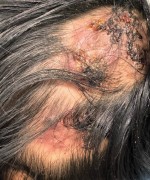
Careful attention to clinical findings, including lesion morphology and trichoscopic and systemic features, is helpful in achieving a correct diagnosis in a child presenting with hair loss.
Susan Rees, Nada Hamad, Amanda Henry, Simon Rosenbaum, Kristen Beek, Kimberlie Dean
Intimate partner violence can have profound and lasting effects on health, but recognition and response are still inconsistent across healthcare settings. A whole-of-health approach that is trauma-informed and intersectional can strengthen identification, referral pathways and co-ordinated care.