
Peer Reviewed
Feature Article Rheumatology
Knee osteoarthritis: management as a chronic disease
Recent articles on:
Osteoarthritis
Osteoarthritis
Abstract
The mainstay of treatment of osteoarthritis should be an integrated chronic disease management plan rather than episodic/reactive care. Long-term disease prevention is receiving greater focus, particularly weight control and injury prevention.
Key Points
- Comprehensive and multidisciplinary osteoarthritis (OA) management involves a combined treatment approach of nonpharmacological and pharmacological treatment to improve pain and function.
- Regardless of symptom severity or radiographic change, all patients with OA should engage in exercise and neuromuscular training.
- Weight reduction in overweight or obese patients can improve physical function and pain by up to 50% in weight-bearing joints.
- Regular education/advice and monitoring are key to patients’ long-term maintenance of physical activity and weight reduction.
- Choice of analgesia requires careful consideration of risk versus benefit and proven efficacy.
- Platelet-rich plasma treatment and stem cell injections are not advocated for the management of knee OA.
- Arthroscopic surgery is not indicated for treating pain associated with knee OA.
- Referral to an orthopaedic surgeon should be considered in patients with knee OA who have severe symptoms and functional decline and have failed conservative management.
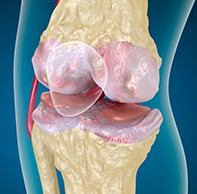
Picture credit: © Alexandr Mitiuc/Dollar Photo Club.
Get full access
Buy this article
Single article purchases are temporarily unavailable due to site maintenance.
If you would like to purchase an article during this time, please email us at [email protected] with the article details and we'll assist you directly. We'll also let you know when online purchasing is available again.
Thank you for your patience and understanding.
Already a subscriber? Login here.