
Peer Reviewed
Feature Article Cardiovascular medicine
How to investigate patients following a transient ischaemic attack
Recent articles on:
Transient ischaemic attack
Transient ischaemic attack
Recent articles on:
Stroke
Stroke
Abstract
Urgent and comprehensive investigation, with expert opinion and management, reduces the high early risk of stroke following a TIA. CT scans, 12-lead ECGs and carotid imaging are the essential investigations in the first hours after a suspected TIA.
Key Points
- Urgent and comprehensive investigation of patients can reduce the high early risk of stroke following a TIA.
- All patients with stroke-like neurological symptoms should present to hospital urgently, including those with a TIA in whom symptoms and signs have resolved or are resolving.
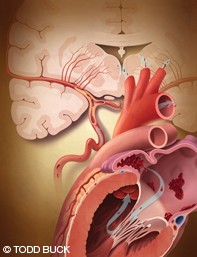
- The aims of investigations are initially to exclude haemorrhage and then to determine the possible sources of thromboembolism and the presence of treatable cardiovascular risk factors.
- CT scans, 12-lead ECGs and carotid imaging are essential investigations in the first hours after a suspected TIA.
- Blood testing, echocardiography, MRI and Holter or bedside cardiac monitoring are likely to improve diagnosis and better inform treatment.
- About a quarter of patients with stroke-like symptoms will have a non-neurovascular mimic disorder requiring different investigations and management.
Get full access
Buy this article
Single article purchases are temporarily unavailable due to site maintenance.
If you would like to purchase an article during this time, please email us at [email protected] with the article details and we'll assist you directly. We'll also let you know when online purchasing is available again.
Thank you for your patience and understanding.
Already a subscriber? Login here.