
Peer Reviewed
Feature Article Geriatrics
Getting patients back on their feet after a hip fracture
Abstract
Hip fracture is a potentially devastating condition for older people. Although the initial treatment is surgical repair of the fracture, a long-term multidisciplinary management approach involving the patient’s GP is required to maximise recovery and ensure secondary prevention strategies are implemented.
Key Points
- Over 90% of patients who sustain a hip fracture are older than 65 years and many have multiple coexisting medical conditions.
- After initial surgical repair of a hip fracture, a long-term multidisciplinary management approach involving GPs is required to maximise patient recovery.
- At each follow-up opportunity after hip fracture, GPs should assess the patient’s functional recovery.
- Secondary fracture prevention, including falls prevention, management of osteoporosis, sarcopenia and frailty, is an integral part of long-term care.
- Acute or chronic hip pain after surgery must be addressed, and ongoing exercise is important to improving long-term functional outcomes.
- An orthopaedic surgeon’s assessment should be sought urgently if a prosthetic hip joint infection is suspected, and antibiotics should not be commenced before orthopaedic consultation.
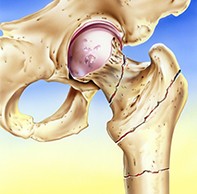
Picture credit: © John Bavosi/SPL
Get full access
Buy this article
Single article purchases are temporarily unavailable due to site maintenance.
If you would like to purchase an article during this time, please email us at [email protected] with the article details and we'll assist you directly. We'll also let you know when online purchasing is available again.
Thank you for your patience and understanding.
Already a subscriber? Login here.