

January/February 2026
Acute rheumatic fever and rheumatic heart disease: ‘vast disparity’ in burden highlighted
By Melanie Hinze
Researchers have identified major disparities in the burden of acute rheumatic fever (ARF) and rheumatic heart disease (RHD) between Indigenous and non-Indigenous Queenslanders.
The population-level retrospective study, published in the Medical Journal of Australia, used linked administrative data to identify Queensland residents aged under 45 years for ARF and under 55 years for RHD. They used hospital, emergency department, death and Queensland RHD Register records from January 2017 to December 2021.
During this time, 736 ARF episodes occurred in 670 people, 395 (54%) of whom were female and 609 (83%) were Indigenous.
For RHD, the study identified 4519 prevalent cases in patients aged under 55 years who were alive on 1 July 2021. Among these people, 2655 (59%) were female, 2169 (48%) were Indigenous, and 1846 (41%) had severe disease. Previous ARF was recorded for 362 cases (8%).
Among RHD cases in patients aged under 25 years, 80% of Indigenous individuals had RHD register records, compared with 33% of non-Indigenous individuals.
The researchers found that the Indigenous age-standardised incidence (under 45 years) was 60.2 times higher than non-Indigenous incidence for firstever ARF, 68.6 times higher for total ARF and 18.9 times higher for RHD.
For Indigenous people aged under 55 years, prevalence was reported as 22.6 times higher for ARF/RHD, 18.4 times higher for RHD and 12.1 times higher for severe RHD.
Geographically, the researchers found the overall burden of ARF and RHD was highest in northern Queensland health districts, whereas cases in the non-Indigenous population were concentrated in metropolitan south-east Queensland.
Lead author, Mr Carl Francia, Physiotherapist and Population Health Researcher at the University of Queensland, Brisbane, said the study highlighted that ARF and RHD remained important and ongoing health issues in Queensland.
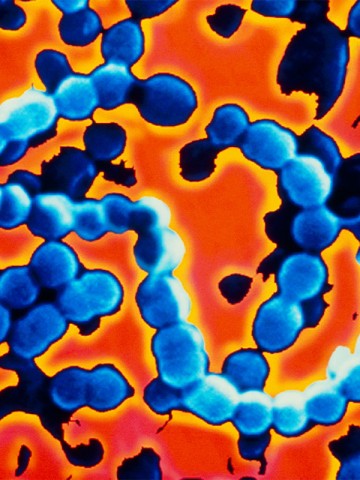
‘For GPs, the key message is maintaining a high index of clinical suspicion for group A streptococcal infections and ARF, particularly in known higher risk populations,’ he told Medicine Today.
‘ARF is a clinical diagnosis with no definitive laboratory test (symptom-based diagnosis is made using the modified Jones Criteria), so early recognition, treatment, and follow up are critical.’
Mr Francia said that as first-line clinicians, GPs have a vital role in upstream prevention through education, timely management of suspected group A streptococcal infections, appropriate referral and, importantly, prompt notification of suspected or confirmed ARF to public health units to support secondary prevention and long-term care.
‘The vast disparity in ARF and RHD burden between Indigenous and non-Indigenous Queenslanders indicates an urgent need for targeted, community-led prevention strategies,’ the researchers concluded.